
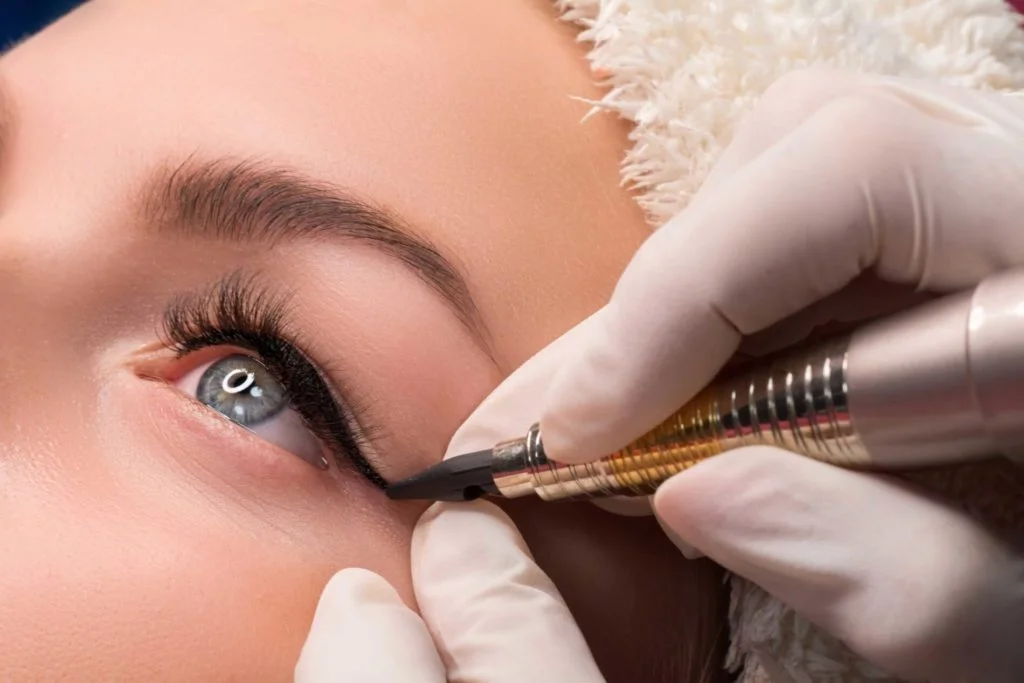
Semi-permanent makeup offers long-lasting definition for brows, lips, and eyeliner. Yet the final result depends heavily on the healing period. Skin needs time to repair after pigment implantation, and each phase of recovery impacts the look. Understanding the typical healing timeline, skin reactions, and aftercare expectations helps clients protect their results and avoid complications.
Semi-Permanent Makeup Healing Timeline
Healing does not happen overnight. Most procedures settle within 7 to 14 days on the surface, though deeper skin repair continues for several weeks. The stages follow a predictable pattern.
Day 1 to Day 2: Fresh Treatment Phase
Immediately after treatment, the area looks bold, darker, and more defined than the intended result. Slight swelling may appear around brows, lips, or eyelids. This reaction comes from the skin responding to micro-needling and pigment placement.
Clients often notice:
- Mild redness
- Tight or sensitive skin
- Darker pigment tone
The colour may appear up to 40 per cent darker than the healed shade.
Day 3 to Day 5: Scabbing and Flaking
During this period, the skin begins its natural repair process. Light scabs or flakes form as the outer skin layer renews itself. The pigment is located within these layers, so proper care matters.
Expect:
- Small flakes or dry patches
- Slight itching
- Gradual colour dulling
Avoid picking or rubbing. Removing flakes too early can pull pigment from the skin and cause patchy results.
Day 6 to Day 10: Colour Softening
Most scabbing finishes within the first week. The pigment may suddenly look too light or faded. This stage often confuses clients, yet it remains normal. A thin layer of healing skin still covers the pigment.
Skin texture usually returns to normal. Redness fades. The colour begins to reappear gradually.
Day 10 to Day 14: Surface Healing Complete
By the second week, the skin surface looks stable. Flaking disappears. The colour settles into a softer and more natural tone.
Brows appear fuller yet less intense. Lip blush looks more even. Eyeliner lines sharpen.
Although the skin feels healed, deeper layers continue repair for several weeks.
Full Healing Beneath the Skin
True pigment stabilisation takes longer than the visible healing period. The dermal layer needs four to six weeks to fully recover.
During this stage:
- Pigment particles settle into the skin
- Colour tone stabilises
- Skin cells regenerate
For this reason, most technicians schedule a perfecting session around week six. This appointment adjusts colour density and fills small gaps.
Healing Differences by Procedure Type
Healing time remains similar across treatments, yet each area reacts slightly differently.
Eyebrows
Procedures such as microblading or powder brows usually heal quickly. Brows produce light scabs and minimal swelling. Visible healing often finishes within 7 to 10 days.
Lip Blush
Lips contain delicate tissue and a strong blood supply. Swelling appears more noticeable during the first 48 hours. Flaking lasts around 5 to 7 days before the colour softens into a natural tint.
Eyeliner Tattoo
Eyelids remain sensitive after treatment. Mild swelling may last two days. Tiny flakes form along the lash line. Most clients see full surface healing within 10 days.
Factors That Affect Healing Speed
Healing time varies between individuals. Several factors influence how quickly the skin recovers.
Skin Type
Oily skin may push pigment outward during healing, which can slightly extend recovery. Dry or normal skin often stabilises sooner.
Immune Response
The body naturally tries to remove foreign particles, including pigment. A strong immune response can soften colour during healing.
Lifestyle Habits
Smoking, alcohol, and poor sleep slow tissue repair. A balanced diet and hydration support quicker recovery.
Sun Exposure
Fresh pigment reacts strongly to ultraviolet light. Direct sun can fade colour or trigger irritation.
Aftercare Steps That Support Fast Healing
Care during the first ten days determines the final outcome. Clean habits protect pigment retention and prevent infection.
Follow these guidelines:
- Keep the area clean and dry during the first 24 hours
- Apply the recommended healing balm in thin layers
- Avoid sweating, saunas, and swimming
- Skip makeup on the treated area until flaking stops
- Protect skin from sun exposure
Gentle treatment allows the pigment to stabilise evenly. Detailed aftercare advice for cosmetic tattoo procedures can also be found through professional resources.
Signs of Normal Healing
Many clients worry when the colour changes during recovery. The following reactions remain normal:
- Temporary dark pigment in the first days
- Flaking or light scabs
- Colour fading then returning
- Slight itchiness
Severe swelling, persistent redness, or unusual discharge require professional advice.
Final Results and Long-Term Colour
Once healing finishes and the perfecting session takes place, the colour reveals its true tone. Semi-permanent makeup lasts between 12 and 24 months, depending on skin type, lifestyle, and pigment shade.
Brows may require occasional refresh treatments. Lip colour fades slowly due to natural skin turnover. Eyeliner often lasts the longest because the eyelid experiences less oil production.
Proper sun protection and gentle skincare help preserve pigment clarity for longer.
Summary of Semi-Permanent Makeup Healing
The visible healing period for semi-permanent makeup typically lasts 7 to 14 days, while deeper skin repair continues for four to six weeks. Each stage plays a role in pigment stabilisation. Careful aftercare, patience during flaking, and a professional touch-up ensure smooth, balanced results that last for months.